2026-11-05 ·
Can Water-Damaged Clothing and Fabrics Be Restored?
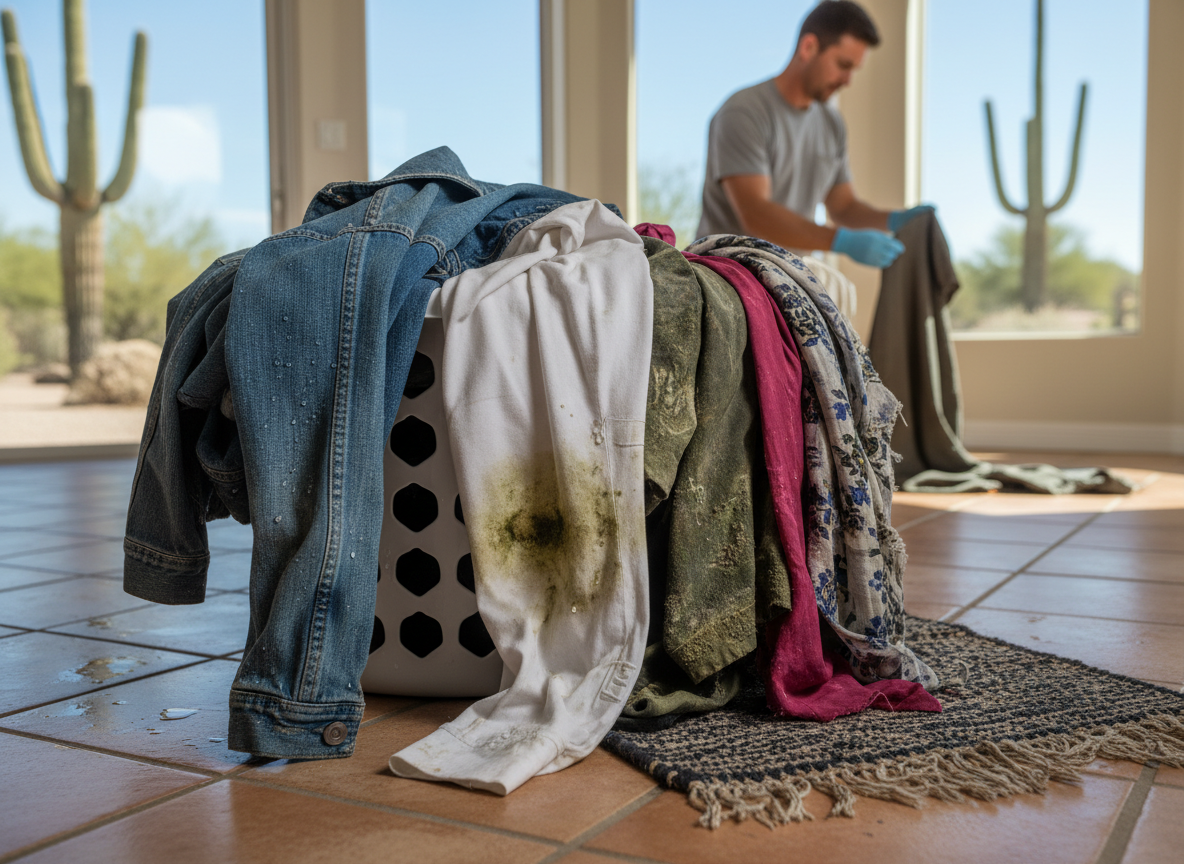
Many water-damaged clothing and fabrics can be restored when action begins within 24 to 48 hours, though success depends on water type, fabric material, and how quickly drying occurs. In Scottsdale, sudden monsoon rains often send water into homes in neighborhoods like Old Town Scottsdale and McCormick Ranch, where older stucco construction and flat roofs allow moisture to reach closets and storage areas fast. Fabrics left damp in the area's low-humidity air can still develop mold within two days during summer heat spikes that reach 110 degrees. Professional evaluation determines which items survive versus those that must be discarded.
Assessing Fabric Damage Types
Water damage to clothing varies by source and duration of exposure. Clean water from broken supply lines allows higher recovery rates for cotton, wool, and synthetic blends, while category three water from flooding in low-lying spots near Camelback Mountain introduces contaminants that limit options. Inspect each piece for color bleeding, shrinkage, or odor before any cleaning attempt. Items soaked longer than 48 hours in Scottsdale's mild winter rains still face higher mold risk because indoor humidity lingers without strong airflow. Separate salvageable garments by material weight and color to prevent cross-contamination during the initial assessment phase.
Restoration Process Steps
The process starts with rapid removal of excess water using extraction equipment suited to fabric loads. Next comes controlled drying in temperature-regulated rooms that account for Scottsdale's extreme summer heat, which can set stains if not managed. Cleaning follows with specialized solutions that lift residues without damaging fibers, then sanitizing to address bacteria common after monsoon events in Maricopa County. Final inspection checks for lingering moisture using moisture meters on thicker items like denim or upholstery fabrics. Homeowners in Gainey Ranch often see better outcomes when they avoid DIY heat sources that warp delicate materials during this sequence.
Local Scottsdale Climate Factors
Scottsdale's hot desert climate accelerates some drying but creates hidden problems in enclosed spaces. Summer temperatures above 105 degrees can bake mud into fabric weaves around Troon North and Desert Mountain homes, requiring extra agitation during cleaning. Winter months bring occasional heavy rains that pool in garages and basements near Scottsdale Fashion Square, extending contact time for stored clothing. Low annual rainfall overall means residents rarely prepare for sudden downpours, so fabrics in older McCormick Ranch properties often sit wet longer than in newer builds. These patterns directly influence whether silk blouses or leather jackets survive compared with more resilient cotton towels.
When Professional Help Matters
Certain fabrics require equipment and techniques unavailable in residential settings. Heavily soiled items from storm runoff near Paradise Valley benefit from industrial washing systems that remove silt without tearing threads. Clothing and textile restoration services handle these volumes safely while coordinating with broader water damage restoration efforts. Home attempts on vintage pieces or heavily dyed materials frequently cause irreversible shrinkage or color loss. Prompt extraction through emergency water extraction teams prevents secondary issues that turn restorable garments into total losses within days of a Scottsdale rain event.
Preventing Repeat Issues
Store clothing in sealed bins elevated off concrete floors common in South Scottsdale garages to reduce future exposure. Improve ventilation in closets during monsoon season when outdoor humidity spikes briefly. Check for roof leaks around Taliesin West-style properties where flat sections collect debris and direct water inward. After any incident, review storage habits to protect wool suits and linen shirts that absorb moisture faster than synthetics. These steps reduce the frequency of fabric damage calls in areas like Fountain Hills where flash flooding reaches homes quickly.
Knowing When to Replace Items
Some materials never regain original condition after prolonged saturation. Delicate lace, suede, and certain blends lose structural integrity once fibers swell and break. Cost comparison shows replacement often makes sense for low-value everyday items versus professional cleaning for high-end pieces from Scottsdale Waterfront boutiques. Track the original purchase price against restoration quotes to decide logically. In Maricopa County homes, repeated monsoon exposure can shorten fabric lifespan by years, making early replacement the practical choice for frequently used clothing.